

The Port of Long Beach demonstrates the economic opportunity in American-made infrastructure investment.
While attending California Forward’s 2026 California Economic Summit in Long Beach last week, I had the opportunity to tour the eponymous. Doing so provided a firsthand view into how much of our nation’s international trade moves through one place.
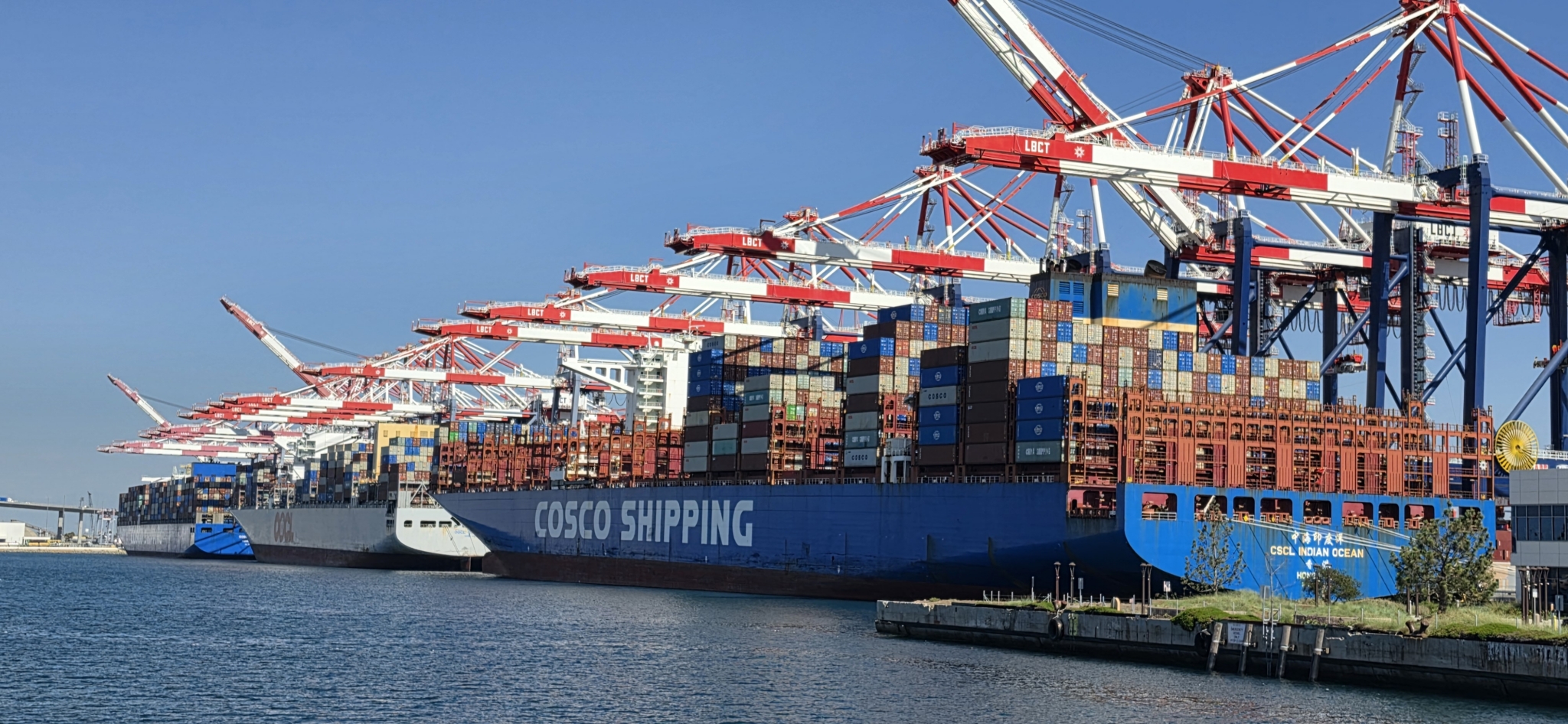
Our tour passed massive cargo ships, towering cranes and what felt like endless stacks of shipping containers. It’s one thing to hear about global supply chains. It’s another to see the size of the operation from the water.
The scale of the Port of Long Beach is hard to overstate. In 2025 it handled about 9.9 million twenty-foot equivalent units (TEUs), a standard measure of shipping container capacity. It moves roughly $300 billion in cargo each year and supports an estimated 1.2 million jobs in California and 2.7 million nationwide.
It’s also planning ahead, with a vision to handle 20 million TEUs a year by 2050 while investing in infrastructure, technology, and environmental improvements. Projects like the Pier B On-Dock Rail Support Facility will expand rail capacity and improve how goods move across the country. For American manufacturers, efficient ports mean reliable access to materials and a way to export American-made products.
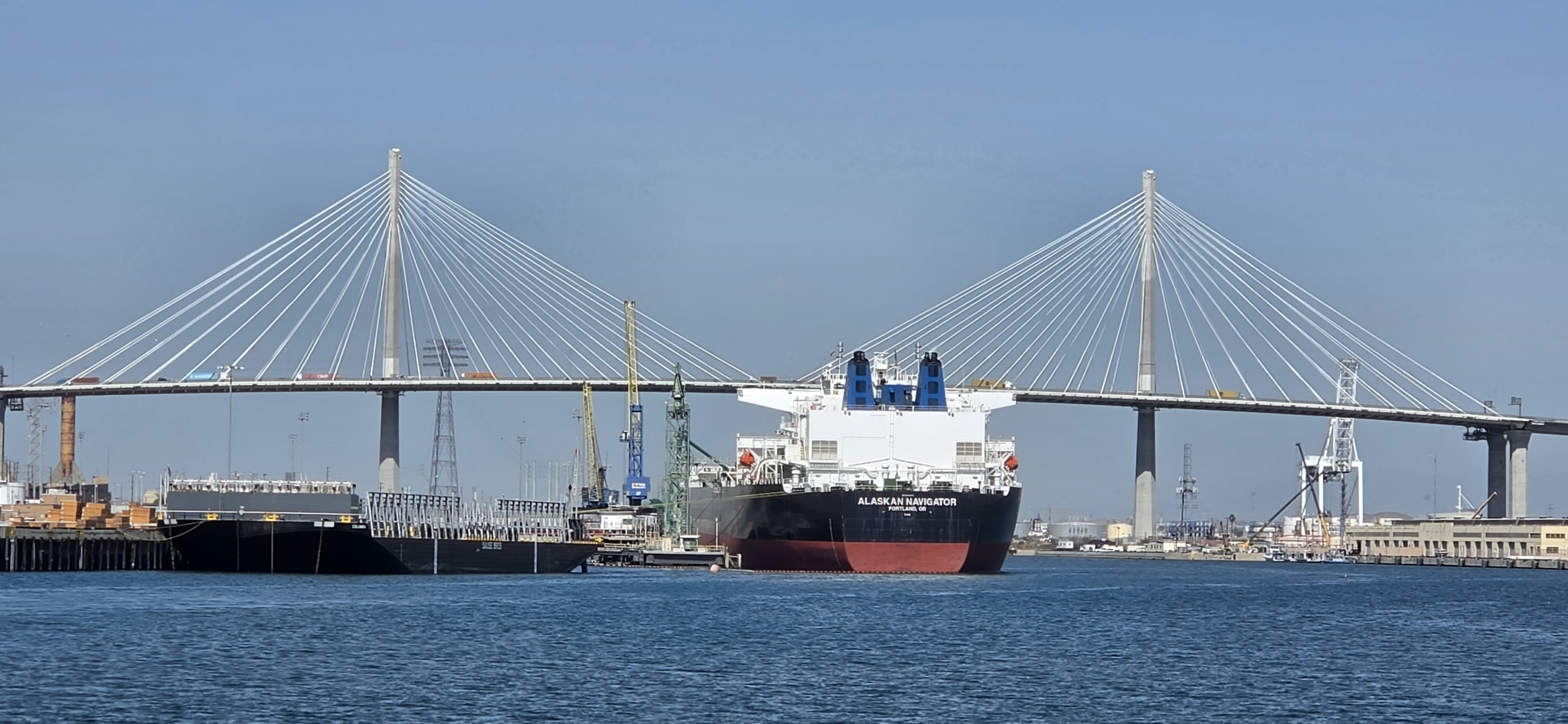
We passed the Marathon petroleum terminal, where petroleum is offloaded for processing and distribution. Ports do a lot more than move consumer goods; they’re also essential hubs of America’s energy supply and industrial economy.
One highlight was going underneath the Long Beach International Gateway Bridge, a sight one hardly has an opportunity given its place in the port. It opened in 2020 with greater clearance for larger cargo vessels, and it eases truck traffic and the movement of goods along the way. It’s a good example of why investing in modern infrastructure matters.
Building a Greener Port
Another interesting part of the tour was learning about the port’s environmental work, including electric vessel technology and efforts to cut emissions without slowing cargo down.
Through its Green Port Policy and the Clean Air Action Plan developed with the Port of Los Angeles, Long Beach is working to reduce pollution from ships, trucks and cargo-handling equipment. That includes zero-emission technologies, cleaner harbor craft and shore power that lets ships turn off their engines while docked. The port is also expanding rail infrastructure so more containers can go straight onto trains, which means fewer truck trips and better efficiency.
All of this creates openings for American manufacturers to build the equipment, batteries, charging infrastructure and technology needed to modernize our ports. As these investments move forward, strong domestic sourcing policies can help make sure American workers and factories benefit.
And in an unexpected bonus, we spotted a gray whale! Not something you expect to see while touring one of the world’s busiest ports.
What This Means for American Manufacturing
As an advocate for American manufacturing I came away with a stronger sense of how closely ports are tied to the policies that shape our industrial future. Decisions about trade enforcement, tariffs, infrastructure funding and Buy America requirements directly affect the businesses and workers who depend on these supply chains.
Port modernization and maintenance specifically provides an economic development opportunity. Federal investment in our ports and waterways comes attached to strong Buy America policies that support domestic production and good-paying jobs.
The tour, however, was also a reminder of why rebuilding commercial shipbuilding is so important. Virtually all of the cargo arriving at U.S. ports travels on foreign-built vessels. Many are made in China, whose heavily subsidized shipbuilders dominate the global industry. passing legislation like the SHIPS for America Act would significantly strengthen domestic shipbuilding by supporting American shipyards, its supply chains, and a skilled maritime workforce, while simultaneously reducing our country’s dependence on foreign shipbuilding capacity.