


There’s a lot of very good American-made packs and book bags on the market that hold their value for years.
My sons Jonah and Micah leave for college soon and, like every parent going through this ritual, I’ve spent the last few weeks in a strange state that’s equal parts pride, nostalgia and the anxiety of a to-do list that only seems to grow. Somewhere between the endless online forms and worrying about move-in day logistics, I found myself doing something I probably enjoyed a little too much: watching my sons choose their new backpacks for the next four years and beyond.
I have a bias here, obviously. I’ve spent nearly two decades arguing that what we choose to buy and where it’s made matters. But this backpack search wasn’t just about buying American. It was about making a point: value. I still carry a made-in-Seattle Tom Bihn bag that has survived somewhere around 18 years of strenuous hikes, transcontinental and international flights and cross-country adventures with my boys, from the time when they were toddlers to the wonderful young men they’ve become, now heading off on their own.
When something works that well for that long, you come to understand that the premium you may pay for a quality Made in America product is a great value, its use measured in decades rather than weeks or months. When it came time to outfit Jonah and Micah, we didn’t just shop for backpacks. We went looking for the next 18 years and beyond.
Jonah’s Pick: DSPTCH
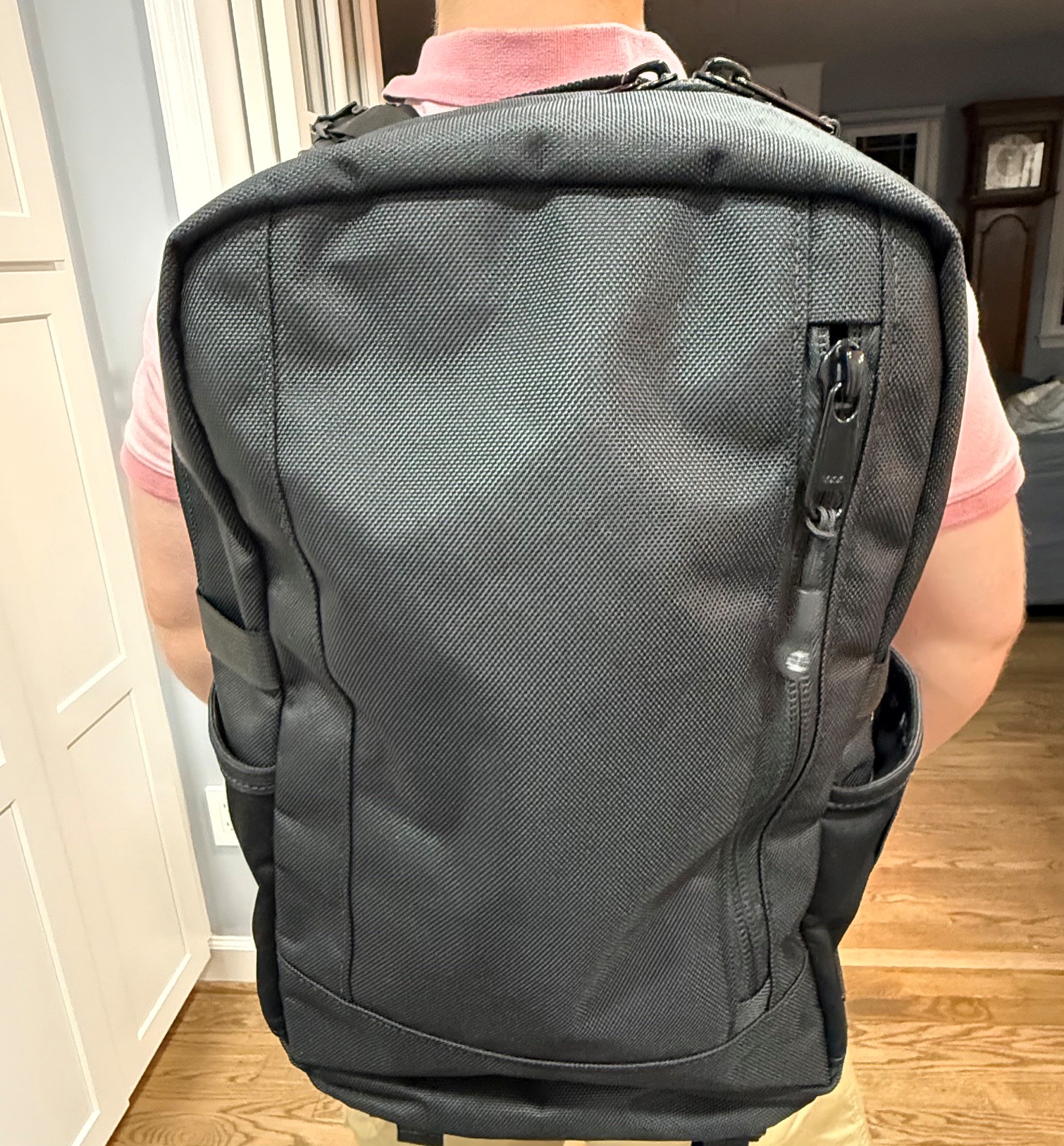
Jonah landed on the Daypack in ballistic nylon from DSPTCH, a San Francisco company with a story that’s grounded in quality. Founder Richard Liu started DSPTCH in 2010 out of his apartment, sewing camera straps for photographers who wanted something rugged and unbranded. The “MIL-SPEC” standard for durability became his north star, and it still is: DSPTCH’s stated philosophy is to “design products to last a lifetime.” Liu has talked about deliberately keeping the business a “mom-and-pop shop,” even through a pandemic and plenty of pressure to scale fast, because independence let him make better decisions for the long haul. There’s a great conversation about his brand philosophy here.
Micah’s Pick: Duluth Pack
Micah went a different direction, choosing the large Standard backpack from Duluth Pack, a company with a claim almost nobody else on this list can make: It’s been making bags in the same American city since 1882. The story starts with Camille Poirier, a French-Canadian immigrant who walked into Duluth, Minn., in 1870 with little more than a sack of leather tools, opened a shoe shop and eventually patented a canvas pack with a tumpline and shoulder straps designed for portaging canoes through the Boundary Waters. That patent, from 1882, is still recognizable in the bags the company sells today. Production moved to Duluth Tent & Awning in 1911 and has stayed on West Superior Street ever since, with every piece still cut, sewn and riveted by artisans on-site, backed by a lifetime guarantee. It’s a company that has outlasted two world wars, a couple of pandemics and the Great Depression. A backpack seemed like a modest ask by comparison.
I’ll admit I’m not a neutral party here. I had Duluth Pack’s owner, Tom Sega, on The Manufacturing Report back in 2019. Tom had been a road-warrior customer of the bags long before he liked them enough to buy the company, and he came back on the podcast a year or so later to talk about how Duluth Pack retooled during COVID, forming an unusual partnership with Stormy Kromer, another legacy American brand, to keep its employees paid and its Duluth workshop running.
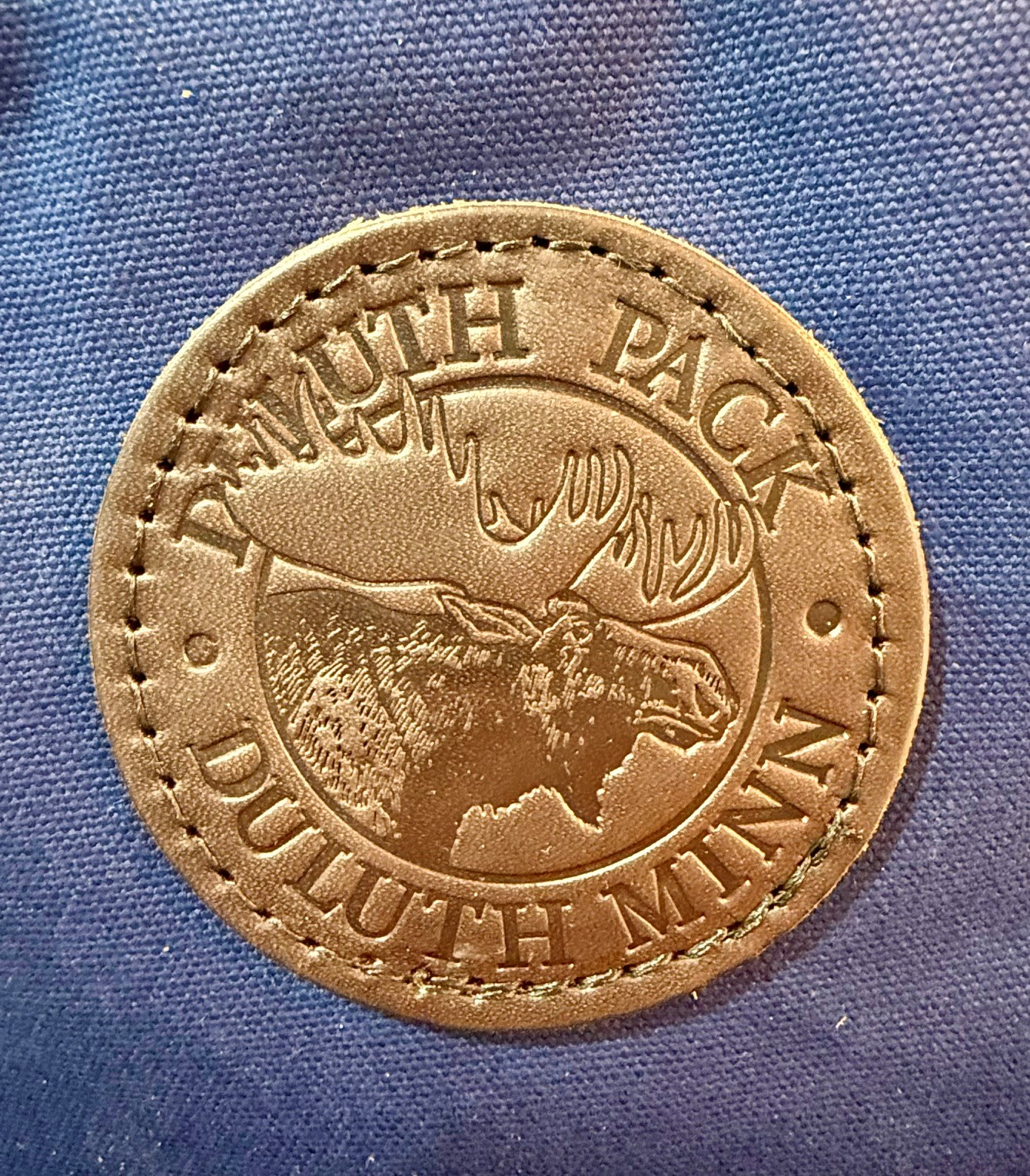
AAM has its own history with the company: A few years ago, we outfitted our entire staff with custom navy Laptop Scoutmaster packs, embroidered with our logo. Walk around our office to this day and you’ll still see them around everywhere, looking better than when we bought them, holding laptops and field notebooks. They are a wonderful daily reminder of what “built to last” actually looks like in practice.
The Bag That Started It All: Tom Bihn
My own Tom Bihn bag deserves some attention because its origin story explains a lot about why it’s held up so well. Tom Bihn started making his own gear at age 10, when he made a backpack for his G.I. Joe. His grandmother’s old Singer sewing machine got him started, and by 1982 that childhood workshop had become an actual company, now headquartered in Seattle. Tom Bihn bags are still handcrafted there (with a partner facility in Vietnam handling some accessories), built from premium materials and covered by a lifetime guarantee. Eighteen years in, mine shows its age, a little frayed here, a little faded there, but it has never once failed me, which is exactly the point.
More Made in USA Options Worth a Look
If you’re sending a child off to any school soon, or just want to see what quality American manufacturing looks like in a category most of us don’t think twice about, a few other companies deserve consideration.
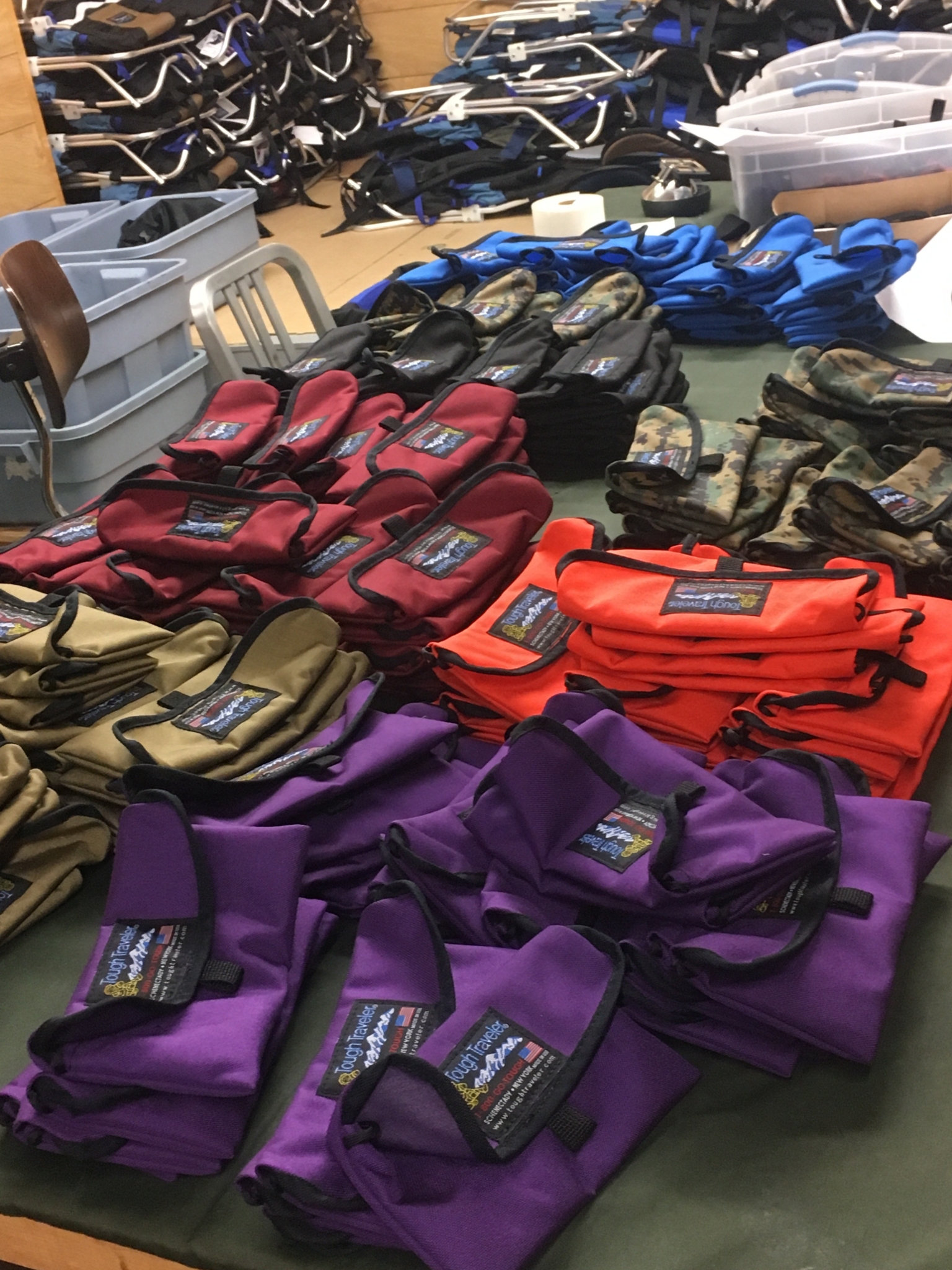
Tough Traveler, of Schenectady, N.Y., was founded in 1970 by Mark Goldstein, a veteran who came home from military service in Alaska unimpressed with the civilian backpacks on the market and simply built his own. More than 50 years later, the company still cuts and sews every bag in the same Schenectady factory, using roughly 95% American-sourced materials, and was chosen to represent New York at the 2019 White House Made in America Product Showcase. We featured the company and interviewed Umber Gold, Mark Goldstein’s daughter and the current president of Tough Traveler, on our blog in 2025. See their backpacks here.
North St. Bags, out of Portland, Ore., began in 2009 as founder Curtis Williams’ project to build a better bicycle pannier for friends. It grew out of his basement and into a Portland workshop where the team still designs, cuts and sews everything in-house, sourcing fabric and hardware domestically wherever possible. See their backpacks here.
Roam Luggage takes a different approach: build-to-order, customizable bags, including the Continental Backpack, hand-assembled in the USA with imported and domestic parts, and co-founded by a former travel-industry executive who wanted travelers to design something that felt like their own, backed by a lifetime warranty and a 100-day trial.
Built to Last, Which Is Its Own Kind of Value
None of these companies are the cheapest option in their category, and I won’t pretend otherwise. But there’s a version of value that has nothing to do with the sticker price: a bag your kid can still be using at their first job or handing down to their own child someday. A bag that lasts 18 years and counting, or in Duluth Pack’s case, 144, is a bargain no matter what it costs at checkout.
As Jonah and Micah head off on their own over the coming weeks, they’re carrying more than clothes and laptops. They’re carrying proof that American manufacturers, big and small, coast to coast, are still out there building things the right way. I can’t think of better going-away gifts.
The Alliance for American Manufacturing does not receive a commission from purchases made through the above links, nor was the organization or author paid for favorable coverage.
Labeling Note: This story is intended to highlight companies that support American jobs and that make great products in the United States. We rely on the companies listed to provide accurate information regarding their domestic operations and their products. Each company featured is individually responsible for labeling and advertising their products according to applicable standards, such as the Federal Trade Commission’s “Made in USA” standard or California’s “Made in USA” labeling law. We do not review individual products for compliance or claim that because a company is listed in the guide that their products comply with specific labeling or advertising standards. Our focus is on supporting companies that create American jobs.
For more on the Federal Trade Commission’s standards for “Made in USA” claims and California’s “Made in USA” labeling law, please also read this guest post by Dustin Painter and Kristi Wolff of Kelly Drye & Warren, LLP.