

The annual defense authorization bill includes proposals to tighten specialty metals procurement, identify industrial chokepoints and prepare for the SHIPS for America Act.
The power of the purse – its control of federal spending and taxation – is one of the U.S. Congress’ most essential authorities. And, as the adage popularized by Spider-Man goes, with great power comes great responsibility. That’s why so much time every year is taken up passing legislation that authorizes federal agencies and programs and appropriates funding to them.
One of those pieces of legislation is the National Defense Authorization Act (NDAA), an annual bill that sets the yearly rules of the road for U.S. defense policy and spending. America spends a lot of money on the U.S. Department of Defense (DOD) each year; the last one signed, in December 2025, came in at more than $900 billion and had hundreds of amendments attached to it.
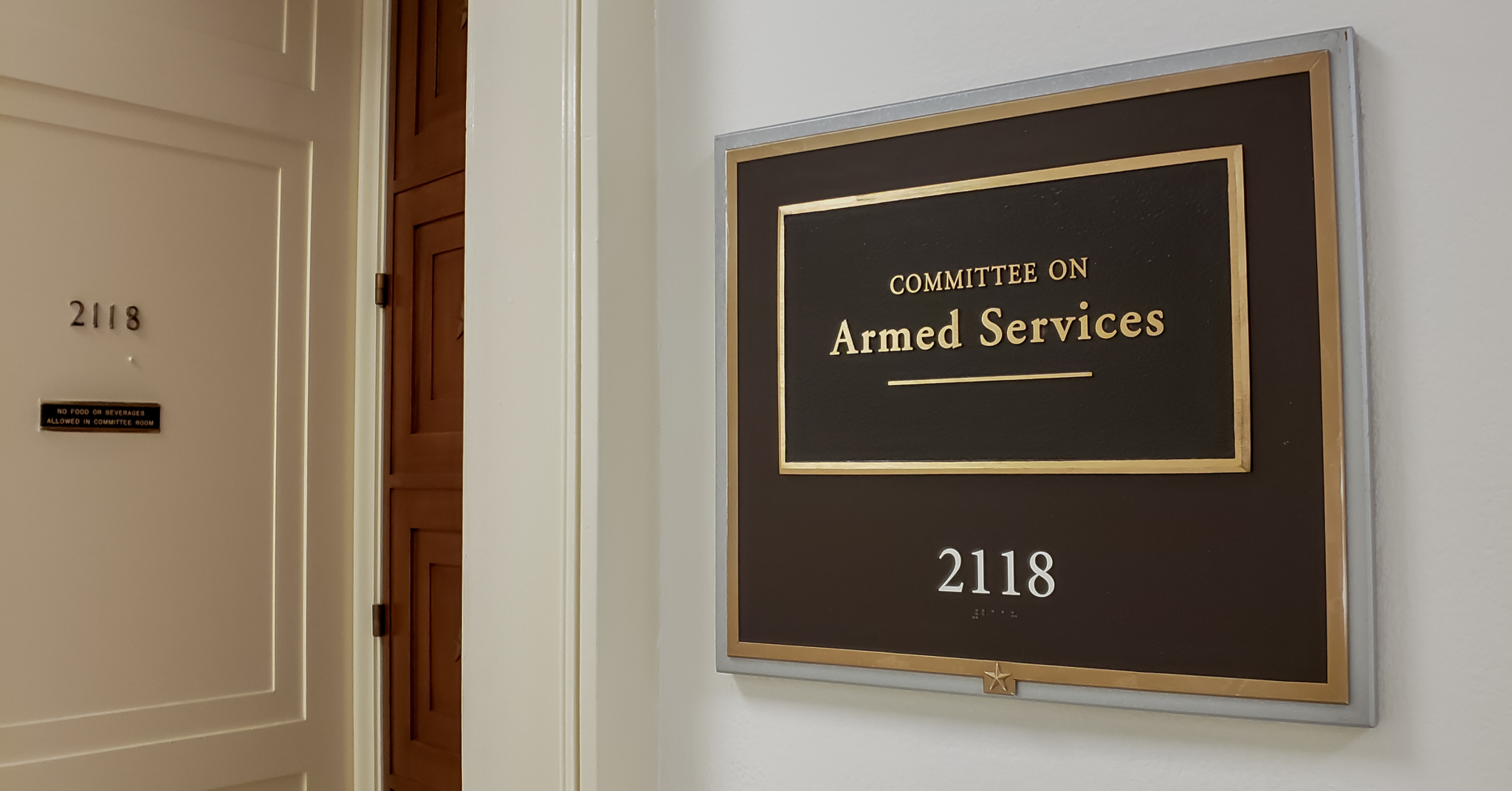
Getting a bill like the NDAA through its committee markups, floor votes and then merging the House and Senate versions into a single package is hugely important. The policymaking here affects such large sums of federal spending! That’s why we were paying attention last week during the House Armed Services Committee’s markup of the Fiscal Year 2027 NDAA – and it’s why we were pleased to see a few specific amendments advance with the bill.
Two came from Rep. Ro Khanna (D-Calif.). The first amendment “limits the volume of specialty metals that [DOD] may procure from nations other than the United States under the Specialty Metals Amendment and requires [a] report on specialty metals sourcing.” This amendment is pretty straightforward: It would evaluate how existing law that governs sourcing of specialty metals – like certain types of steel, nickel and titanium – is being applied for federal defense purchasing. And it imposes a cap on sourcing from other countries to ensure domestic production remains strong.
The second amendment put forward by Rep. Khanna is more of a holistic approach to maintaining the health of the American industrial base. It “requires a briefing and report from [DOD} on defense industrial base chokepoints and recommended measures for expanding domestic production of critical components, including through additional organic industrial base capacity and other forms of production.”
And a third amendment came from Rep. Trent Kelly (R-Miss.), which “establishes a new ‘Ships for America’ title to strengthen maritime readiness, shipbuilding capacity, and the U.S. merchant mariner workforce.” Rep. Kelly is the lead sponsor of the AAM-endorsed SHIPS for America Act, a policy framework to revitalize the domestic commercial shipbuilding sector and its workforce. This amendment essentially lays the groundwork for his bill’s provisions inside the NDAA; a place for them to slot into if and when it is signed into law.
Again, these three amendments were included in the NDAA bill that advanced out of committee last week. Next up is a vote on the House floor, where it is expected to be taken up before its July recess. We’ll be watching the NDAA’s progress in both the House and Senate and we’re hopeful the amendments detailed above will be in the bill that arrives on President Trump’s desk.