

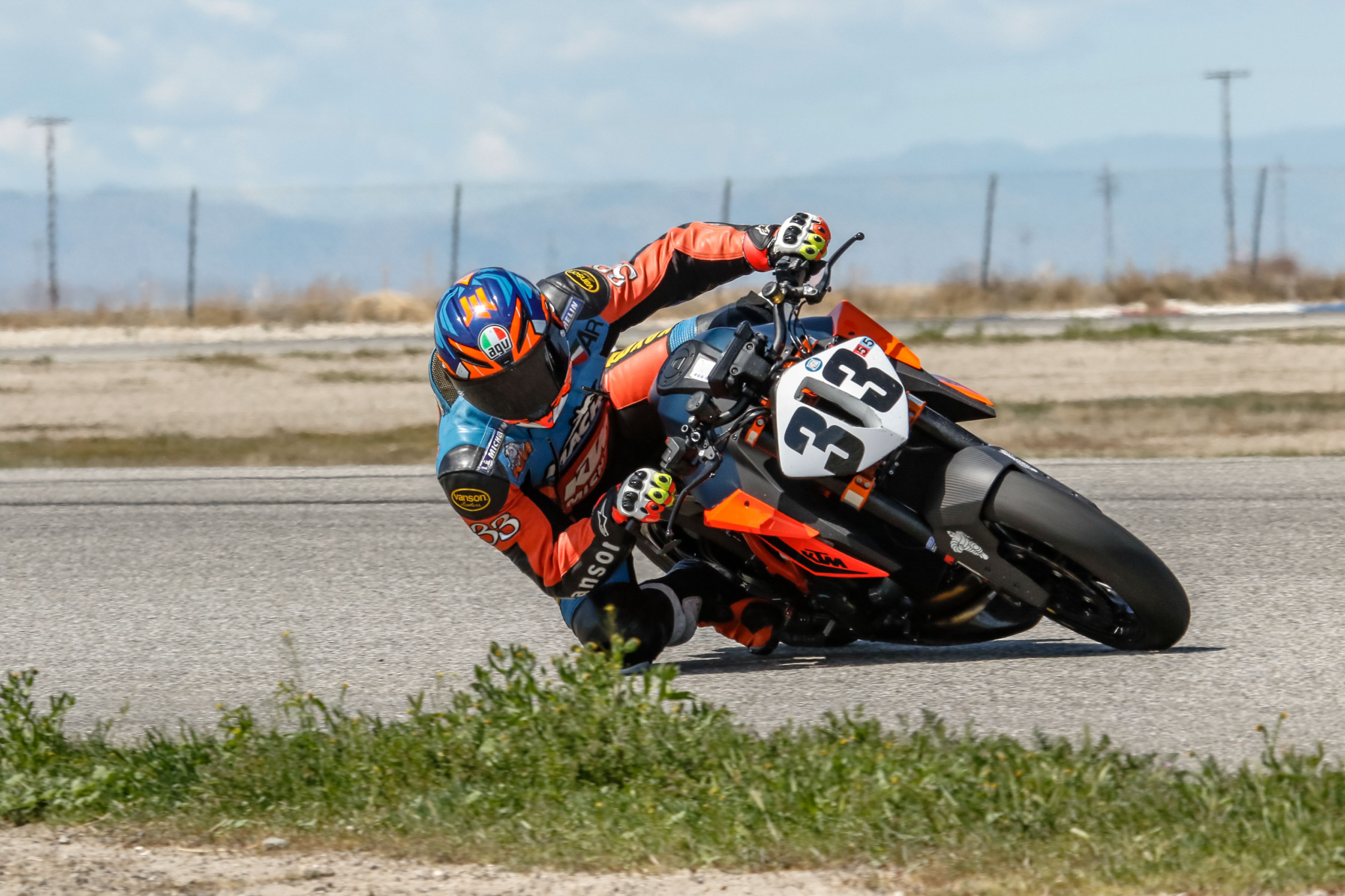
Founder and owner Mike van der Sleesen details the history of a venerable American-made brand that has earned its reputation catering to motorsports athletes.
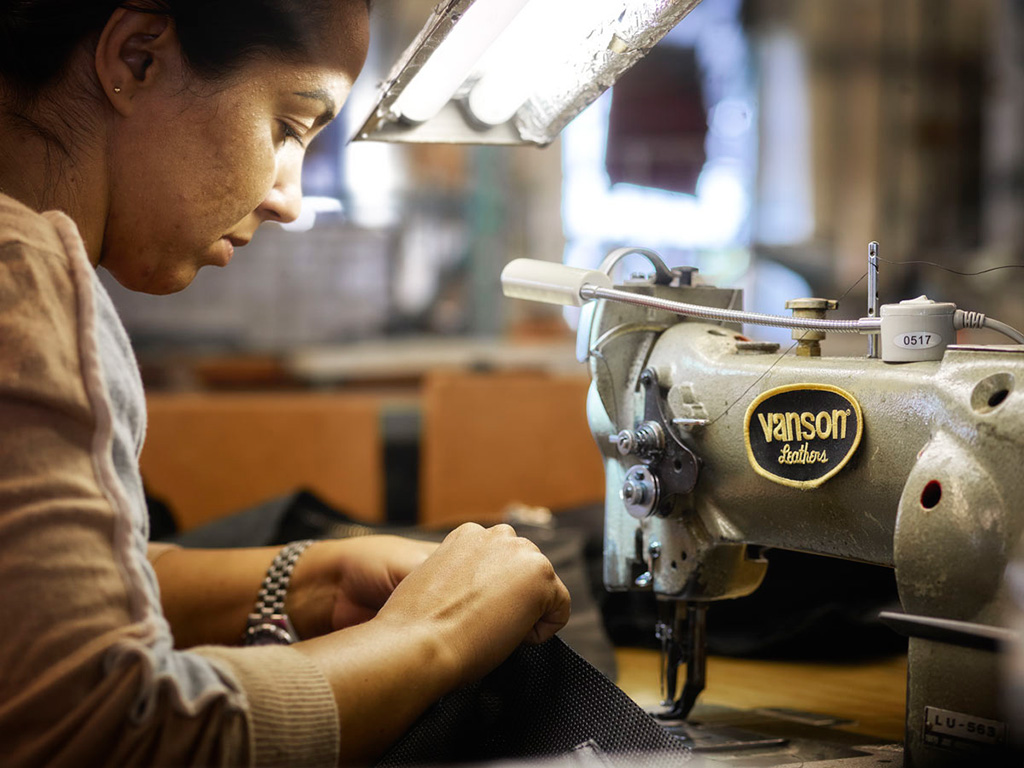
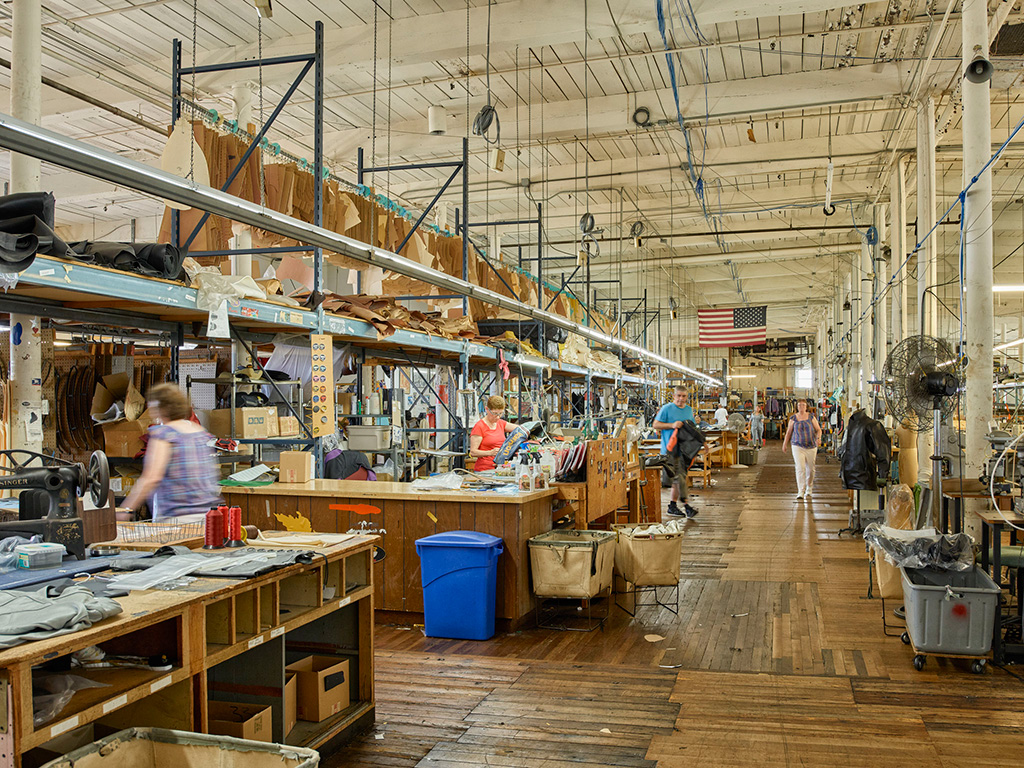
On a stretch of factory floor in Fall River, Mass., workers cut hides, stitch seams and assemble leather jackets much as they have for more than half a century.
In an era defined by offshoring, consolidation and disposable products, Vanson Leathers has become an anomaly. For more than five decades, the company has continued manufacturing leather motorcycle apparel in Massachusetts, surviving long after many of its competitors and suppliers disappeared.
For 52 years, Vanson Leathers has weathered nearly every force that has reshaped American manufacturing including deindustrialization, offshoring, NAFTA, China’s rise as a manufacturing powerhouse and the relentless pressure to compete on price alone.
Through it all, Vanson founder and owner Mike van der Sleesen has continued making leather jackets in Massachusetts. The company has become part of a shrinking group of manufacturers still producing premium leather motorcycle apparel in the United States, preserving skills and production capabilities that have largely vanished from the domestic industry.
Vanson’s reputation was built on the motorcycle side of the business, where a jacket was expected to do more than look the part. It had to protect a rider, survive years of use and, when necessary, come back to Fall River for repair.
The company’s reach now extends far beyond the riding community. Vanson jackets have appeared on racetracks, in fashion collaborations, on concert stages and at professional sporting events. Yet through every evolution, the foundation has remained unchanged.
The company still makes its products in America.
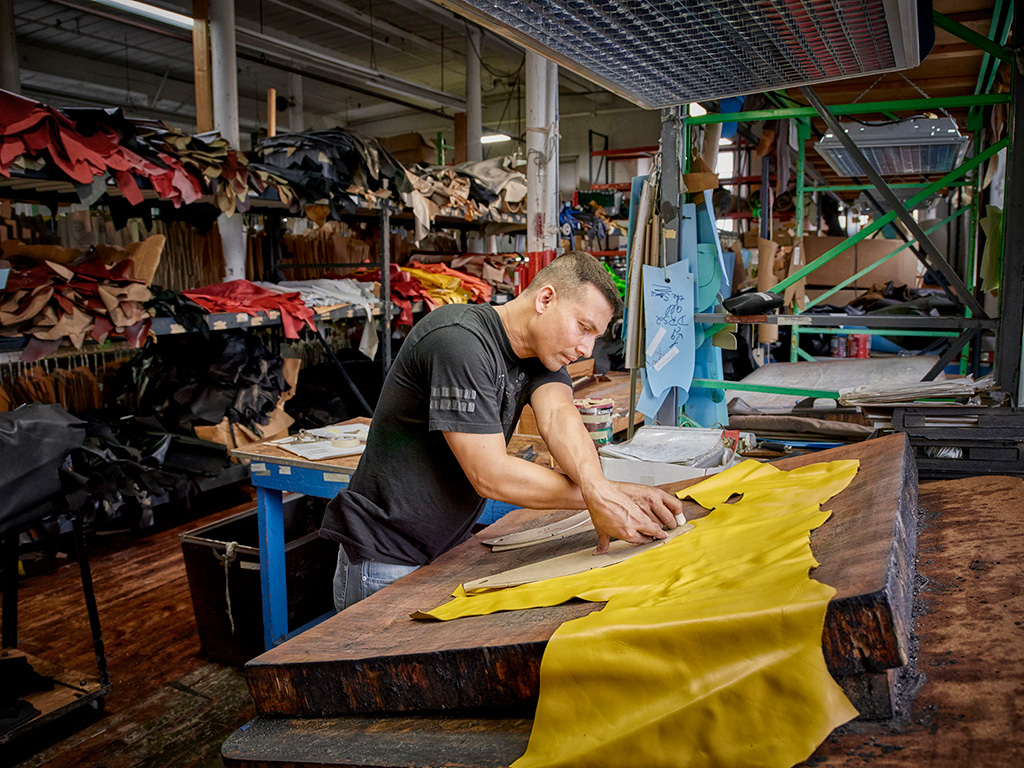
Van der Sleesen can trace much of the nation’s manufacturing decline through the places he has known. When Vanson began in a 3,500-square-foot Boston loft in 1974, the floor below housed a company that purchased equipment from shuttered American factories and shipped it overseas.
“It was a thriving business, this deindustrialization of the United States,” van der Sleesen said. “American companies were closing left and right.”
The irony was impossible to miss. The same wave of factory closures hollowing out American industry supplied the sewing machines and equipment that helped launch Vanson. While one business dismantled American manufacturing, another was trying to build one more manufacturing company from the pieces being left behind.
During the 1970s and 80s, hundreds of tanneries operated in New England, especially in Massachusetts and New York. Sewing shops could be found in industrial towns throughout the region.
Today, much of that industrial landscape has vanished.
Van der Sleesen can still source leather from Townsend and Pearl Finishers in upstate New York, but the supply network is not what it once was.
“I’ve been going to Gloversville, New York, since 1976 and I look across a green field, and in my mind’s eye I see a four-story building where we used to get leather stretched,” said 75-year-old van der Sleesen. “Then I look over there and see a building with no windows and remember that is where we used to get it finished. It’s sort of this industrial wreckage.
“It used to be that tanneries were everywhere. In Massachusetts we had Peabody and Salem. We used to drive 30 miles to get our leather finished and now we are lucky to have a finisher in New York state.”
The seeds of this classic American-made company were planted overseas. Born in San Francisco and raised in the Netherlands, van der Sleesen met future business partner Jamie Goodson while attending school in Brussels. The two later studied together in Paris before van der Sleesen moved to the United States to attend Boston University.
When the pair eventually launched their company, they combined their surnames to create their name: “Van” from van der Sleesen and “son” from Goodson.
Van der Sleesen still laughs when describing the company’s first attempts at manufacturing.
“We really didn’t know what we were doing. We didn’t know anything,” said van der Sleesen. “Usually if you make something, you’ve got to sell it. We were able to sell it and then had to figure out how to make it.”
The founders raced around Boston sourcing hardware and materials. They found lining fabric in Chinatown’s garment district and gradually taught themselves the business of manufacturing.
Manufacturing provided the foundation, but motorcycle racing gave Vanson its identity. Sales to riders remain the DNA of the business and the company quickly distinguished itself through performance apparel. During the 1970s, when small leather companies appeared throughout the industry, Vanson focused on racing suits and rider protection.
“Our approach was more disciplined and focused,” van der Sleesen said. “Others weren’t into making racing suits, so that was more of an intentional move.”
A breakthrough came through racer Dale Singleton, a privateer Yamaha rider whose success brought visibility to the young company.
“He won a whole series of races, and we were making his suits,” van der Sleesen said. “It propelled us into a very visible position and allowed us to stay on the podium.”
Racing gave Vanson credibility, but it also sharpened its manufacturing expertise. Riders demanded protection, durability and performance. The products had to work. Over time, Vanson earned a reputation not through marketing campaigns but through gear that proved itself on racetracks across the country.
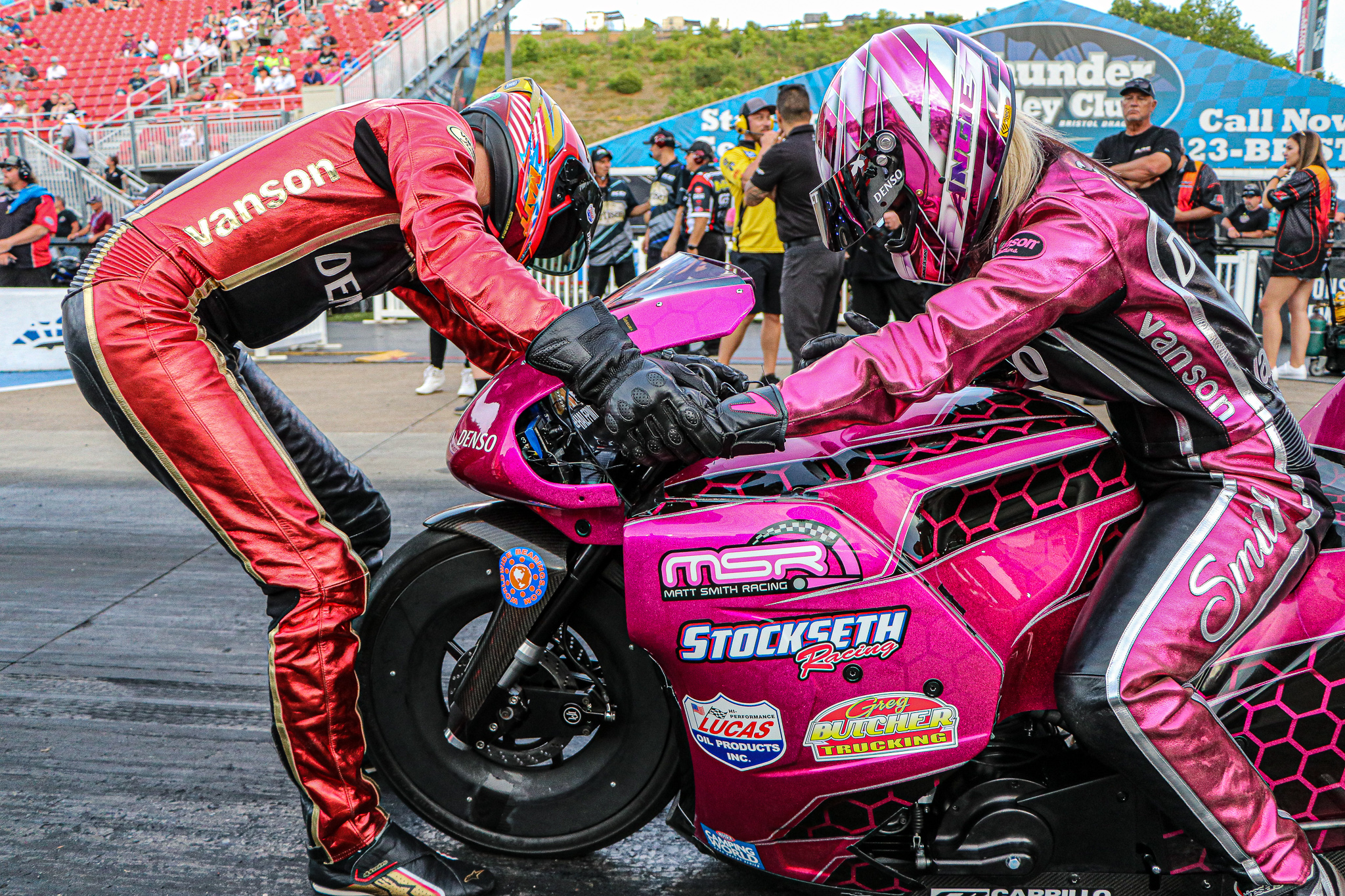
Over the decades, Vanson expanded into fire-resistant suits, gloves and specialized protective equipment. During the Iraq and Afghanistan wars, the company participated in a military program to develop gloves that combined leather, Kevlar and protective materials originally used in drag-racing suits. The goal was to provide protection against explosive hazards while maintaining the dexterity needed for de-mining operations.
The company also works with modern technical materials, including Nomex, CarbonX and Kevlar. Yet leather remains central because of characteristics synthetic materials struggle to duplicate.
“What leather has that the Kevlar doesn’t is a better tactile feel and energy absorption,” van der Sleesen explained. “It has some sponginess to it.”
Today, Vanson Leathers occupies approximately 29,000 square feet of sewing and cutting space along with another 15,000 square feet devoted to design, offices and its showroom.
At its peak during the 1990s, Vanson employed roughly 165 workers. Then came what van der Sleesen considers the industry’s defining turning point.
“2003 was the real onslaught from China,” he said. “Everything changed. In America, there was limited appreciation for what it meant to be making things in America. Everything was price, price, price.”
Like many manufacturers that survived, Vanson adapted.
Today, the company employs about 50 people and increasingly focuses on custom work, specialty products and short production runs. Roughly 45% of its business consists of non-standard products, from custom racing suits to limited-run jackets.
That strategy has helped preserve domestic manufacturing while opening the door to new markets.
Vanson produces products for Supreme Clothing Co. and has maintained a relationship with the brand for more than a decade. Some collaborations have become highly sought-after collector’s items, selling for thousands of dollars on the secondary market.
The company’s reputation has also spread through popular culture. Celebrities including LL Cool J, Madonna, Alicia Keys, DJ Mustard and LeBron James have worn Vanson products.
Yet van der Sleesen remains careful not to let the company drift too far from its roots.
“The motorcycle DNA remains important,” he said.
That authenticity is precisely what attracts customers outside the motorcycle world. The jackets are not fashion products pretending to have heritage. They come from a company that earned its reputation building gear for riders and racers.
Today, about half of Vanson’s business comes directly from consumers through its website and showroom. The remainder comes through retailers, dealers and export markets in Europe, Japan, South Korea and Australia.
Every item that leaves the Fall River factory receives a serial number. Jackets, gloves, racing suits and bags all enter a database that tracks ownership, repairs and modifications. The records stretch back at least 40 years.
“We’ve done repairs on coats that are 50 years old,” van der Sleesen said. “When we emboss a serial number, we emboss it on a key fob that goes onto the zipper and we emboss it into the inside lining of the coat.”
A customer considering a used jacket can often learn when it was made, where it was sold and what repairs have been performed throughout its life. The company can recreate old products using archived patterns and specifications. Every alteration becomes part of the garment’s permanent history.
In an economy built around replacement cycles, Vanson’s model rests on permanence.
That long view may help explain why van der Sleesen sounds cautiously optimistic about manufacturing’s future.
“What I sense might be happening is a resurgence of the sense of community,” he said. “Making stuff here is more interesting and important to the fabric of where we live, what we do and what we like to believe in.”
The Alliance for American Manufacturing does not receive a commission from purchases made through the above links, nor was the organization or author paid for favorable coverage.
Labeling Note: This story is intended to highlight companies that support American jobs and that make great products in the United States. We rely on the companies listed to provide accurate information regarding their domestic operations and their products. Each company featured is individually responsible for labeling and advertising their products according to applicable standards, such as the Federal Trade Commission’s “Made in USA” standard or California’s “Made in USA” labeling law. We do not review individual products for compliance or claim that because a company is listed in the guide that their products comply with specific labeling or advertising standards. Our focus is on supporting companies that create American jobs.
For more on the Federal Trade Commission’s standards for “Made in USA” claims and California’s “Made in USA” labeling law, please also read this guest post by Dustin Painter and Kristi Wolff of Kelly Drye & Warren, LLP.