


For City Threads, back-to-school season is all about comfortable, cotton clothes made close to home.
As parents across America prepare their children for another school year, many are searching for the same things they do every August: Comfortable clothes, durable basics and products that can survive long days in classrooms, on playgrounds and at after-school activities.
For Shayna Samuels and Joe Willis, that annual back-to-school rush represents much more than a seasonal sales opportunity. It reflects the philosophy that has guided their company, City Threads, for more than two decades: Make comfortable, cotton-based basics that kids and families can depend on.
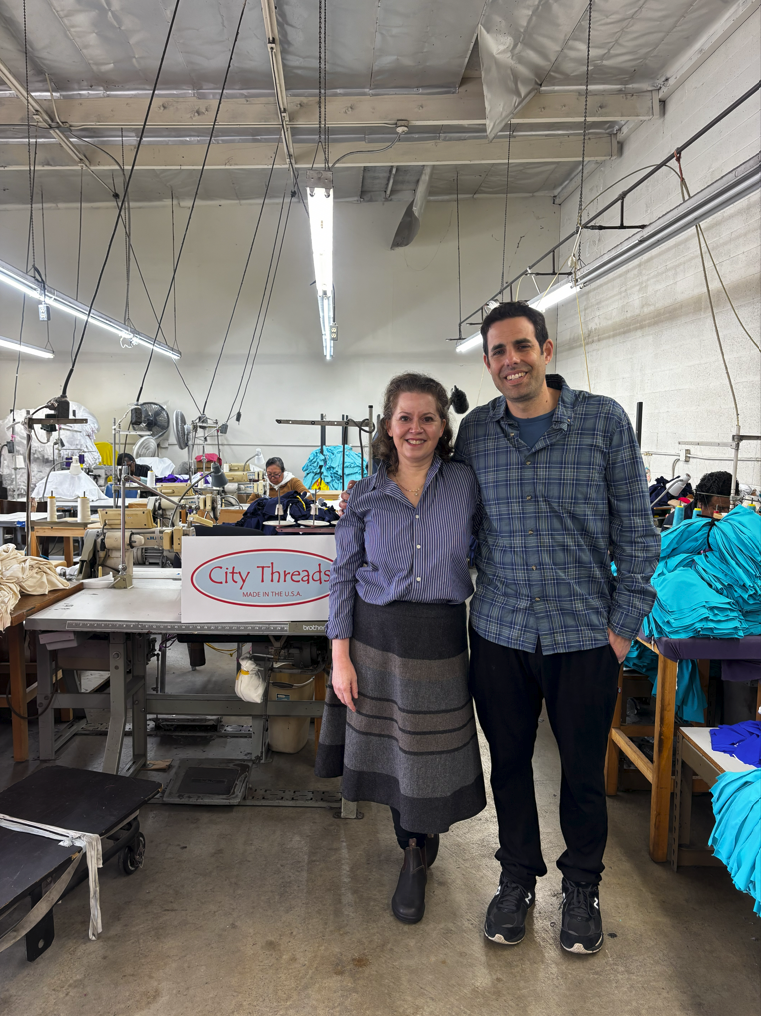
“We really like basics,” said Willis. “Something reliable, comfortable, natural fibers. That’s kind of our instinct.”
More than 20 years after launching City Threads, the husband-and-wife team continues to manufacture clothing in Los Angeles, selling everything from colorful leggings and T-shirts to underwear, dresses and shorts through websites including Amazon, Target, Nordstrom and their own internet pages.
Both founders grew up around the apparel industry through family members involved in manufacturing and clothing production. After college, Samuels worked as a nanny and found herself observing how much parents enjoyed buying clothes for their children.
“Our grandparents were in manufacturing and apparel, so we had that background,” said Samuels. “When I worked as a nanny after college, I saw how much parents really liked buying clothes for their kids, and I got reintroduced to it that way.”
Today, the company offers clothing ranging from infant sizes to adult apparel, but remains focused on its original mission of comfortable, cotton clothes for children.
When City Threads was founded in 2002, the retail world looked markedly different.
“In 2002 it was a different time,” said Samuel. “The internet wasn’t as big. We would go to trade shows in New York four times a year. We sold mostly to boutiques in the beginning.”

Like many small apparel companies at the time, City Threads depended on trade shows, independent sales representatives and boutique retailers to reach customers. Then a simple suggestion altered the company’s trajectory.
“When our oldest was in Little League, our nanny said we should make a website,” Samuels recalled. “I thought that was a good idea.”
“The website at first was just for us to have extra stock for our stores,” said Willis. “The stores would want to reorder in the middle of the season, and it was hard to stock extra inventory. We started the website just to sell some extra.”
The company gradually expanded beyond graphic-heavy children’s apparel and began building a catalog of everyday essentials. Leggings, underwear, dresses and other cotton basics became increasingly popular.
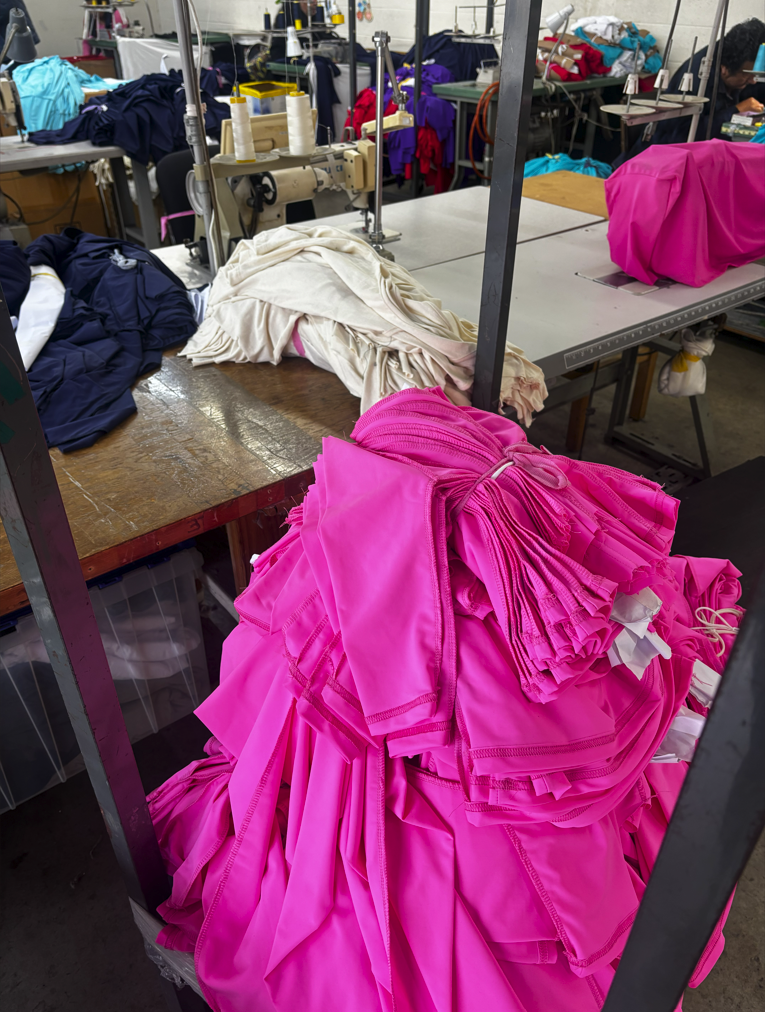
“The two main things are comfort and cotton. Cotton is breathable. Spending your day in cotton is going to be a better day than wearing really synthetic clothing that doesn’t breathe as well.”
– Joe Willis, City Threads Co-owner
“We always did a lot of colors,” said Willis. “We would do leggings in 12 colors. Now we have 25 colors. Having a lot of colors in soft cotton basics was something people needed.”
Over the years, the founders learned that success in online retail depends on more than simply creating products. Listening to customers became just as important.
“We also do research on what people are searching for,” Willis said. “We can research what people are searching for during the year, when it’s popular and how many people are searching for it, so you kind of work backwards with data.
“If we have five ideas and we research them all and one of them shows there are a lot of people searching for it, then maybe that’s the one we’ll make.”
That approach has helped produce several recent successes. One example was a line of women’s cotton bike shorts.
“We weren’t sure how they would do,” Willis said. “They came out in two different lengths, and the longer length did really well. Now it’s one of our best sellers and we sold out very quickly.”
At a time when much of the apparel industry manufactures overseas, City Threads has remained firmly committed to producing its garments in Southern California.
For Samuels, the decision goes beyond supporting American manufacturing.
“I think we’re committed to making in the United States not just because of keeping things made here,” she said. “It’s the ability to keep an eye on things, know if there’s a problem as early as possible and be able to pivot.”
The company works with a network of local contractors, some of whom have partnered with City Threads for more than a decade. The company’s production manager spends much of his day traveling among contractors and suppliers throughout the Los Angeles area, checking quality.
“We’ve worked with a lot of our contractors for a very long time,” said Willis. “I think as long as 15 years with some of them.”
“We’re pretty hands-on and just want to see and know what’s happening,” added Samuels.
Willis sees that proximity as one of the company’s greatest strengths. The local manufacturing model also allows the company to respond quickly to changing customer demands.
“You can only control so much,” he said. “Having things close by is control. If we have the fabric in stock, we can produce items in two or three weeks.”
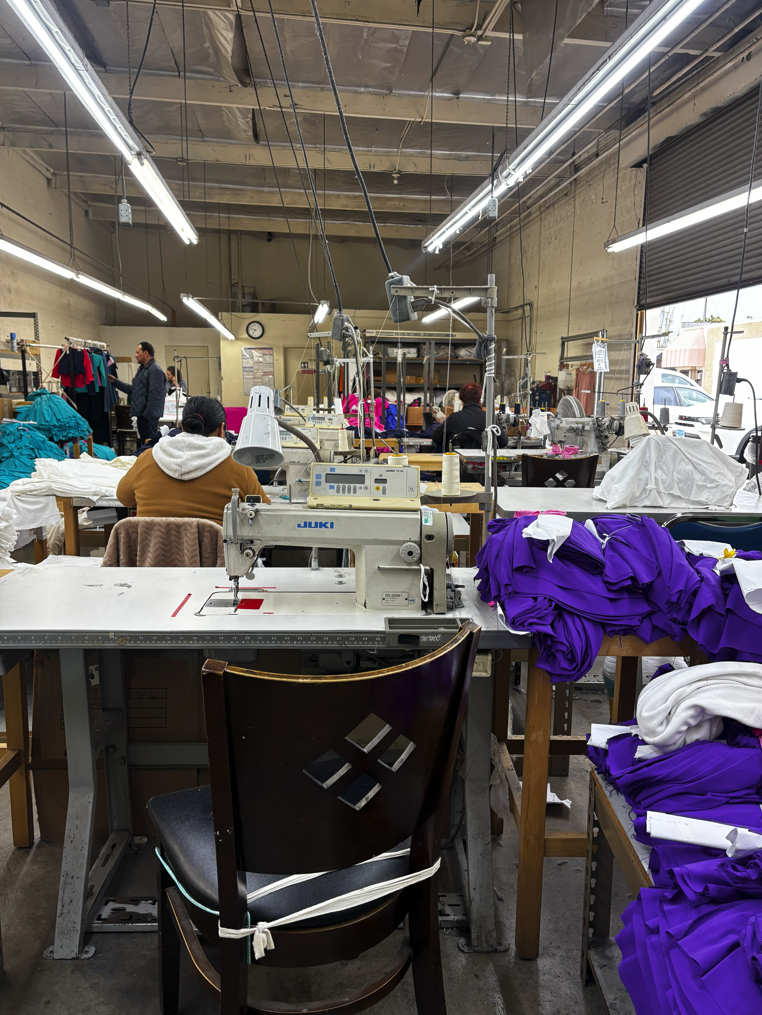
Years ago, the company experimented with overseas production and quickly decided it wasn’t the right fit.
“There were so many things that had to go right,” Willis said. “We were waiting for a boat to arrive. After that we said, ‘This has too many problems.'”
Instead, the company invested in the relationships it had built in Los Angeles.
As another school year approaches, Samuels and Willis believe consumers are paying closer attention than ever to what materials are used to create their clothing.
“I think right now a lot of people care about natural materials,” said Willis. “There’s been a lot of news lately about synthetic clothing and how it affects people’s health.”
City Threads, however, has always had a love affair with cotton.
“The two main things are comfort and cotton,” Willis said. “Cotton is breathable. Spending your day in cotton is going to be a better day than wearing really synthetic clothing that doesn’t breathe as well.”
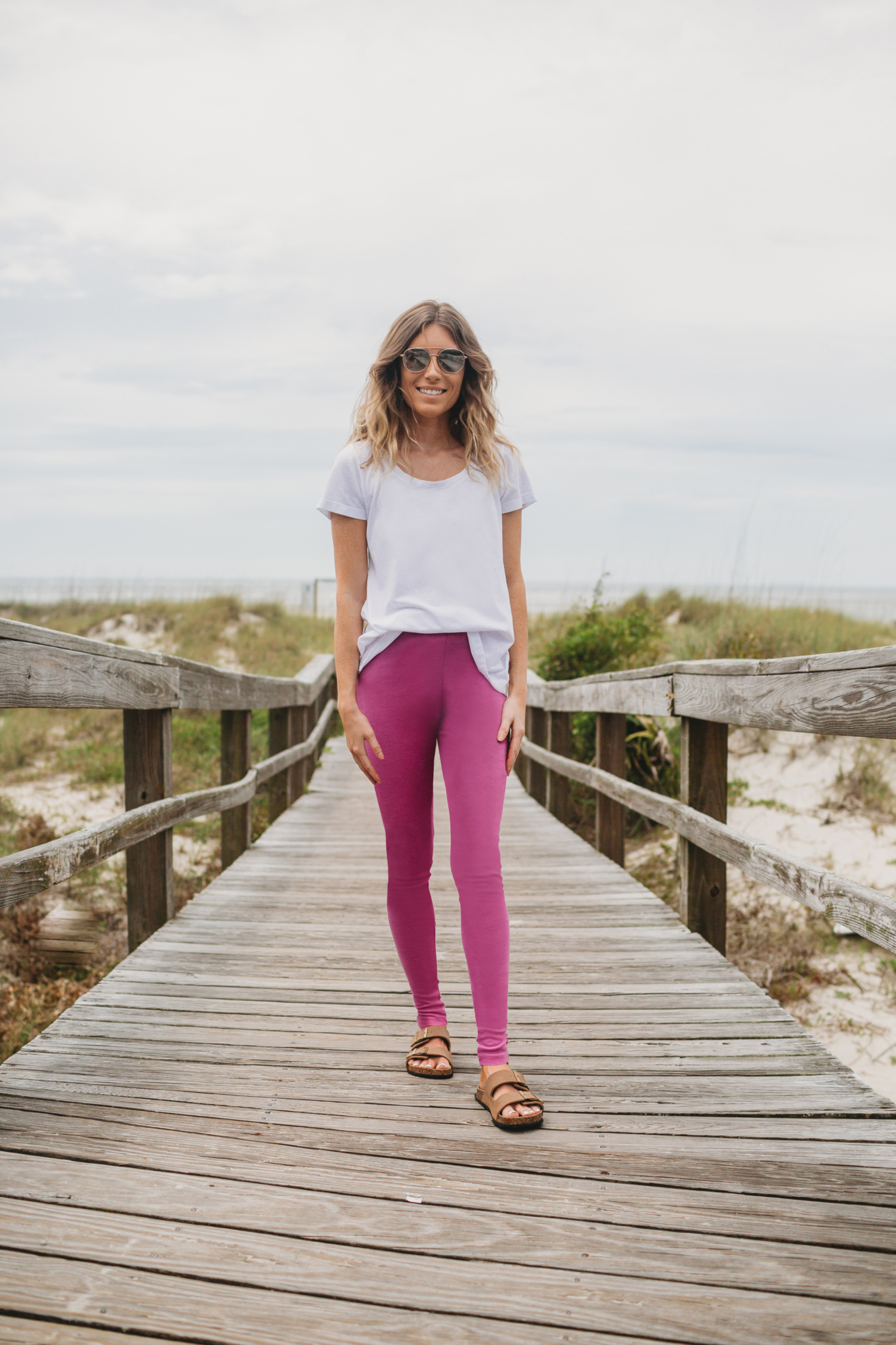
Many of the company’s dresses, leggings, underwear, T-shirts and pants are made from cotton or organic cotton. Comfort remains the guiding principle behind every design decision.
“We were always really picky to make sure everything was super comfortable,” said Samuels. “We’re always picking fabrics that are really soft.”
That commitment extends to product construction. Many children’s styles use fully elastic waistbands rather than zippers or snaps, making them especially appealing to families looking for sensory-friendly clothing.
“For boys’ pants we don’t use zippers or snaps,” said Samuels. “Everything has fully elastic waists.”
While fashion trends change constantly, City Threads has never tried to become a fast-fashion company.
“We do the same styles year after year,” said Samuels. “We add and take away a little bit, but we have a core group of styles that keep going. We’re not looking to be on the runways.”
Instead, the company focuses on creating the kinds of clothes families wear every day: basics that are comfortable, reliable and built to last.
“Classic,” said Samuels. “Our stuff is classic everyday stuff.”
More than two decades after launching the company, Samuels and Willis are still learning, still listening and still adapting. Retail has changed dramatically since 2002, but their underlying mission remains remarkably consistent.
Make comfortable clothing. Use natural fibers. Listen to customers. Manufacture close to home.
As families head back to school this fall, City Threads is betting that those principles never go out of style.
The Alliance for American Manufacturing does not receive a commission from purchases made through the above links, nor was the organization or author paid for favorable coverage.
Labeling Note: This story is intended to highlight companies that support American jobs and that make great products in the United States. We rely on the companies listed to provide accurate information regarding their domestic operations and their products. Each company featured is individually responsible for labeling and advertising their products according to applicable standards, such as the Federal Trade Commission’s “Made in USA” standard or California’s “Made in USA” labeling law. We do not review individual products for compliance or claim that because a company is listed in the guide that their products comply with specific labeling or advertising standards. Our focus is on supporting companies that create American jobs.
For more on the Federal Trade Commission’s standards for “Made in USA” claims and California’s “Made in USA” labeling law, please also read this guest post by Dustin Painter and Kristi Wolff of Kelly Drye & Warren, LLP.