

Shipbuilding, currency, and tariff exemptions for data center material imports are unlikely to be addressed.
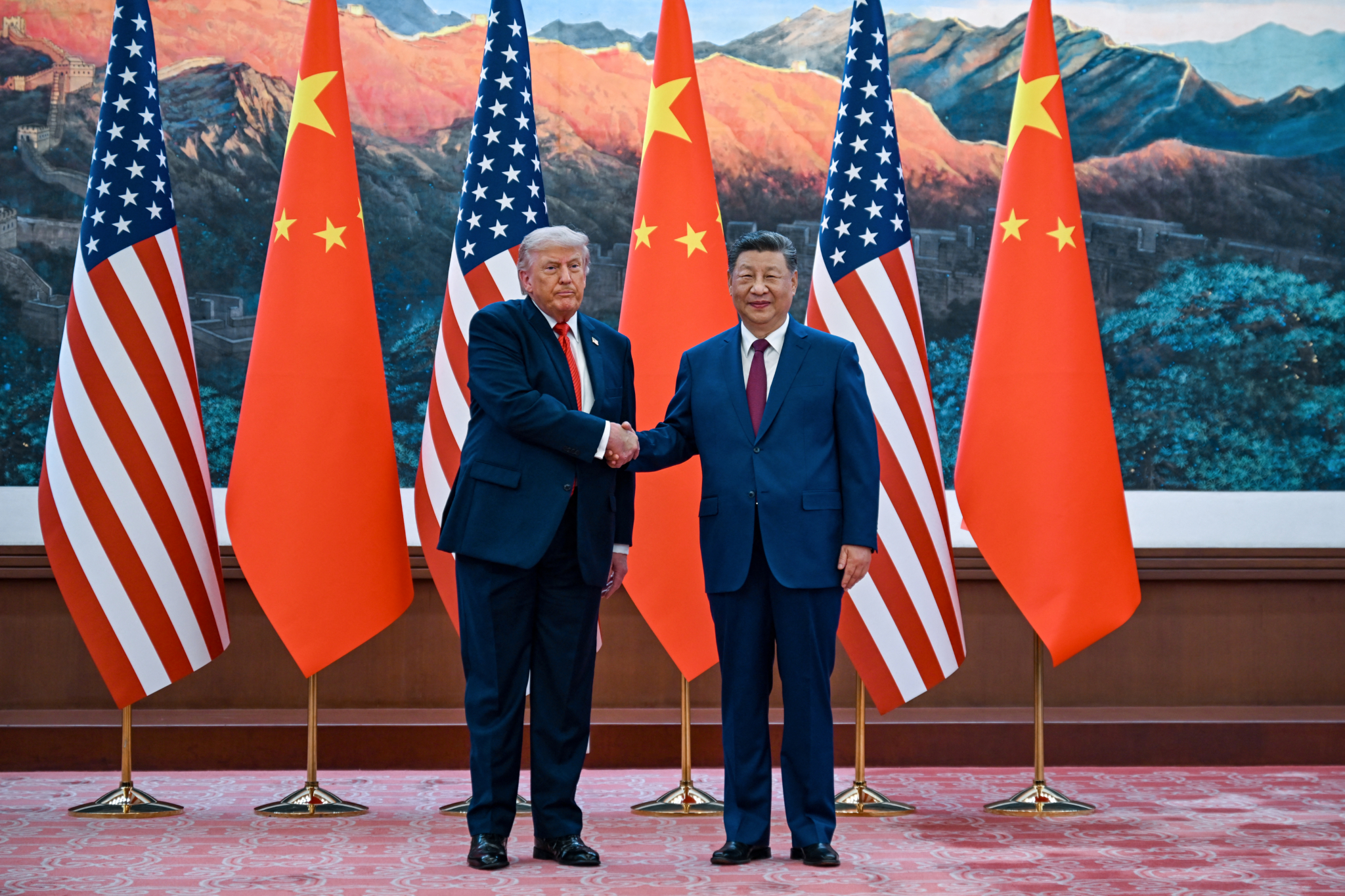
President Donald Trump is in Asia this week for a pair of diplomatic summits and meetings with foreign heads of state, including his third this year with Chinese President Xi Jinping. There are dozens of topics potentially up for discussion when the two meet, but you can find analyses of them elsewhere. Below are three China-related actions the Trump administration should address … but hasn’t.
First on the list on shipbuilding.
After reaching a trade détente with China in 2025, the U.S. government suspended fees on Chinese-owned, -operated and -built vessels calling at its ports. Those fees are a remedy resulting from a Section 301 investigation into the unfair trade practices of China’s massive and heavily subsidized shipbuilding sector that the Trump administration has largely let fall by the wayside.
Regaining more than a sliver of the commercial shipbuilding market the U.S. once had would serve as powerful economic catalyst: Every oceangoing vessel requires tens of thousands of tons of steel, miles of wiring, oceans of paint, glass, aluminum and all kinds of other construction inputs. Every shipyard would employ hundreds if not thousands of workers and support thousands more along its supply chains.
It’s a national security issue, too. A revived commercial shipbuilding industry in the United States would represent the ecosystem necessary for efficiently maintaining a navy. And it’s an important point to note that U.S. naval shipbuilding capacity is severely stressed.
This revival, however, can’t be undertaken without addressing the elephant in the sector, which is China. A few anecdotal points: In 2024 one of China’s state-owned firms built more commercial vessels by tonnage than the entire U.S. shipbuilding industry has built since World War II. In January 2026, that same company cut a deal with another state-owned shipping firm to essentially replace the latter’s entire fleet. Chinese shipbuilders captured more than 80% of new ship orders in the first nine months of 2026. In short, China has shipbuilding in a stranglehold.
Congress may act before the end of the year by including pieces of the SHIPS for America Act in defense spending legislation; that would represent a significant step toward rebuilding the U.S. maritime industrial base. The administration, however, should act in the face of these yawning production gaps and reimpose these port fees now.
Second on the list: Correcting what is effectively a data center giveaway.
As measured as a percentage of GDP, the construction surge of artificial intelligence infrastructure that data centers represent is unprecedented. U.S. data-center investment is projected to exceed $2.7 trillion by 2030, and that is creating enormous demand for semiconductors, electrical equipment, cooling systems and power infrastructure.
Yet key equipment is being shielded from tariffs. The administration exempted semiconductors destined for U.S. data centers, and major power components including switchgear, backup generators and power distribution units are also outside current derivative-metal tariffs. And
That approach may lower construction costs today, but it sacrifices an obvious opportunity to rebuild American industrial capacity simultaneously. Instead of using unprecedented demand to support domestic production of transformers and other critical electrical equipment, we’re fueling the U.S.-China goods trade deficit and perpetuating import dependence.
That is also a national-security vulnerability. A country spending trillions on the infrastructure underpinning AI should ensure the equipment powering it can increasingly be made domestically. Tariff policy should accelerate that transition; instead, it’s accelerating the data center buildout. The administration should remove these exemptions that are fueling it and
And third is currency manipulation.
China has been credibly accused over the years of weighing down the value of the yuan to boost its industries’ export power. Skeptics will point to its nominal appreciation against the dollar in the last few months, but they’re missing the forest for the trees: Despite the country’s expanding trade surpluses and productivity gains – forces that should be pushing the yuan up – it has instead depreciated 15% since the pandemic. That calculated weakness undercuts the effects of all tariffs levied against Chinese unfair exports, including those levied by the United States. It lowers the effective price of China’s exports across the board.
In an explainer ahead of an earlier Trump-Xi meeting, we argued the yuan’s recent nominal strength is an example of Beijing’s careful management, allowing limited appreciation when politically convenient “while preventing the much larger adjustment that an unconstrained market would produce.” The fact that this is a recurring event underscores that the Chinese economic model is deliberately relying on foreign markets to absorb what its own market won’t. China is obviously not rebalancing. Heavy subsidies, government planning, chronic overcapacity and an artificially cheap yuan are the evidence.
President Trump should make clear during his meeting with Xi that the United States won’t permit China to devalue its way around U.S. trade enforcement.