
The Milwaukee framework is a positive step. Now the parties that agreed to it must follow through on its commitments.
Representatives of nearly 30 countries participating in an OECD steel forum in Wisconsin on Wednesday agreed to work together to combat overcapacity in international steel markets.
Dubbed the Milwaukee Framework by U.S. Trade Representative Jamieson Greer, the agreement (among other items) encourages the 28 members of the Global Forum on Steel Excess Capacity (GFSEC) to share data on their steel supply chains; eliminate subsidies for their own steel industries; work toward raising tariffs on China and other countries overproducing countries; and develop and initiate “procedures to collect and publish ‘country of melt and pour’ data from importers of steel products.”
The framework also says GFSEC member will “undertake antidumping, countervailing duty, and global safeguard investigations, including possible self-initiation, and implement measures as appropriate, to address the impacts of steel excess capacity on domestic steel industries.”
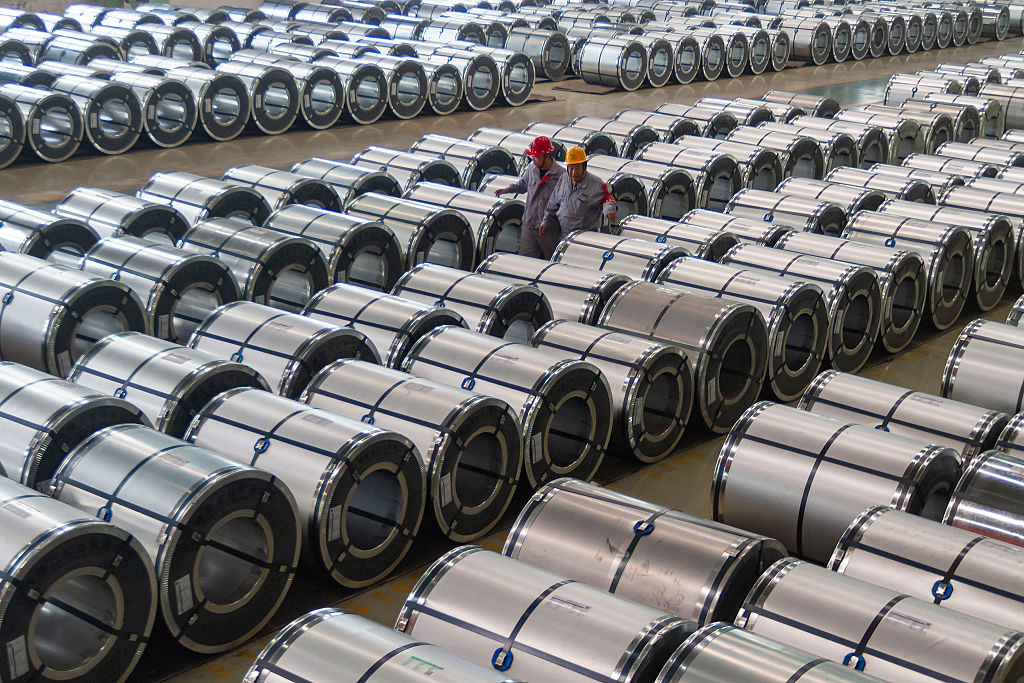
On the whole, this is good news. Managing this kind of multilateral trade diplomacy is no easy feat. But international coordination is needed to staunch global steel overcapacity and, as overcapacity has been a long-acknowledged problem that’s only getting worse, coordination is long overdue. China isn’t the world’s only country that overproduces steel, but it’s the main culprit. Alone it produces half the world’s steel, far more than its domestic market can absorb, and it floods the world with its surpluses.
That said: The United States should also stay focused on its own trade enforcement and keep its own national security in mind. With Section 232 tariffs in place, the American steel industry has been able to stabilize itself, make significant capital investments and hire on new steelworkers. Those 232s should stay where they are so they can work in tandem with action taken under this framework.
Because (and don’t forget): The framework is aspirational, not binding. It’s now on GFSEC members to live up to it.
Alliance for American Manufacturing President Scott Paul commented:
The Alliance for American Manufacturing welcomes today’s agreement and the recognition that global steel overcapacity remains a serious threat to manufacturers and workers. The framework is a positive step, but its success will depend on whether participating governments are willing to confront the subsidies, market distortions, and trade circumvention that continue to fuel excess capacity, particularly in China. The United States must continue to maintain strong trade enforcement tools, including Section 232 measures, while working with allies to address this challenge. Ambassador Greer deserves enormous credit for pulling this effort together.
You can find the U.S. Trade Representative’s statement here, and the framework itself here.