

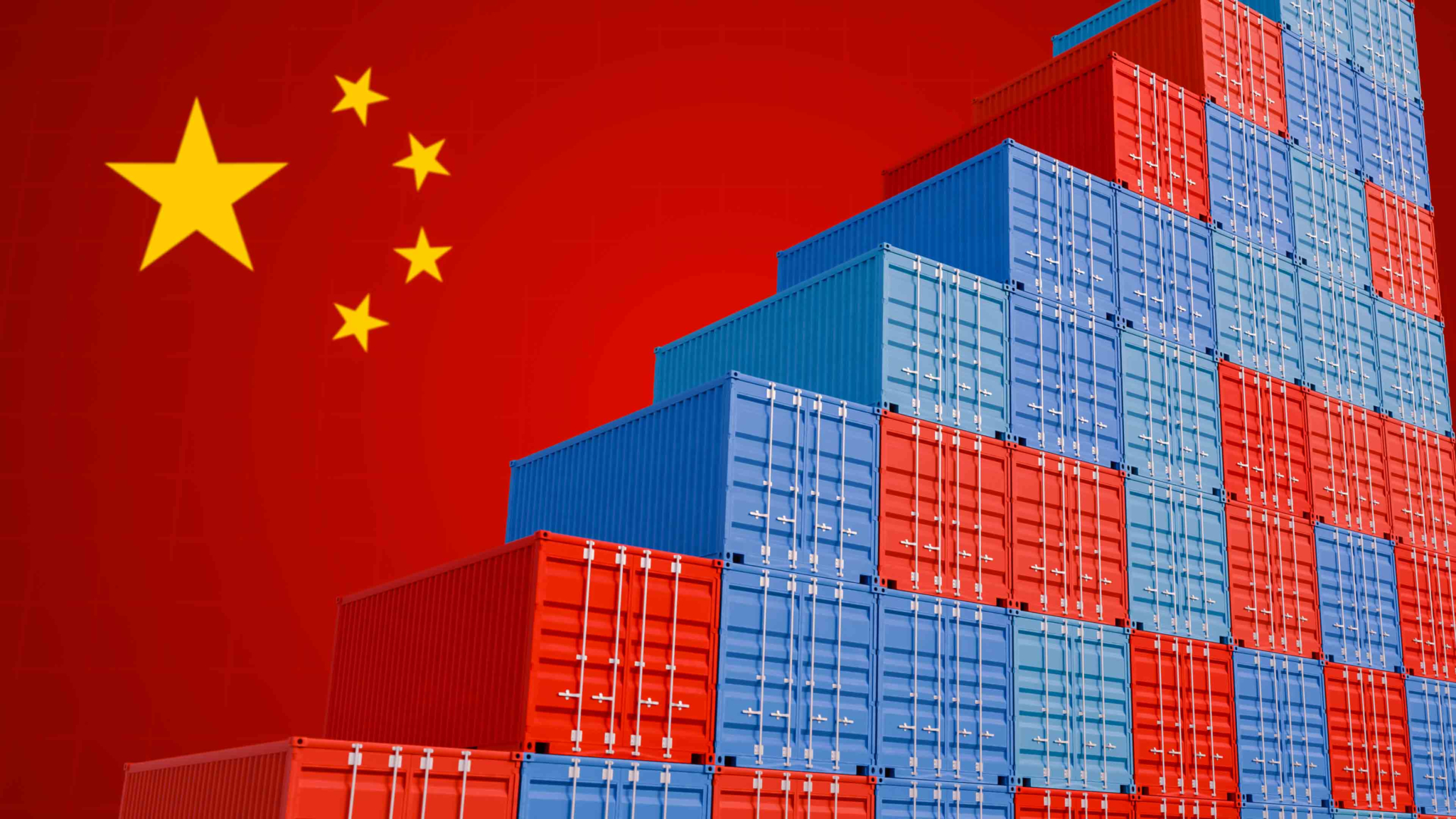
China has exploited its permanent normal trade relations (PNTR) status with the United States since the trade advantage took effect in 2001.
The U.S. International Trade Commission (USITC) is in the midst of an investigation that could have far-reaching implications on U.S. trade. The Commission announced on Feb. 26 that it would examine the possible economic impacts of revoking China’s permanent normal trade relations (PNTR) treatment – a move that the Alliance for American Manufacturing (AAM) has often called for.
First, what is PNTR and why does it matter?
China was granted PNTR status by the United States in 2001, as part of China’s acceptance into the World Trade Organization. This established permanent, low baseline tariff rates on Chinese imports as well as ended annual congressional review of China’s trade status under U.S. law, essentially opening the floodgates for Chinese imports to bombard the U.S. market.
The logic at the time was that opening trade up to China would encourage democratization, free markets and a better society for the country. Now, 25 years later, it’s clear that this was horribly misguided. In fact, these issues have only worsened since PNTR was granted to China, and the U.S. is left paying the price.
About that USITC investigation:
As part of the fact-finding investigation, which is expected to conclude on Aug. 21, the USITC is accepting public comments through April 13. We’ll be submitting our own comments then, but we wanted to give a preview of our stance.
Long story short, we strongly support revoking China’s PNTR treatment in order to correct the chronic trade imbalances that have hollowed out our nation’s manufacturing base and devastated industrial communities across the country.
China’s government heavily subsidizes state industries and allows poor environmental and labor standards to go unchecked. This is what has led to mass outsourcing to China, and the consequences to the U.S. manufacturing industry have been dire.
According to the Economic Policy Institute (EPI), between 2001 and 2018, 3.7 million American jobs were lost to China, 2.8 million of which were manufacturing jobs. EPI also estimates that wages for American manufacturing workers between 2001 and 2011 were reduced by $37 billion per year, due to efforts to compete with China’s extremely low wages.
As AAM President Scott Paul said in testimony before Congress in 2023, “The [Chinese Communist Party] doesn’t deserve the same trade status as our allies and reciprocal partners.”
AAM is far from alone in advocating for the move. In fact, a 2023 Morning Consult poll conducted on behalf of AAM found that 57% of registered voters supported revoking China’s PNTR status, while only 6% of voters said they’d “strongly oppose” it.
Ending China’s PNTR is also a bipartisan issue. Legislation has been introduced in previous sessions of Congress by House members on both sides of the aisle to revoke this status. The U.S.-China Economic and Security Review Commission, which is nonpartisan, also recommended that PNTR status for China be revoked in 2022. It is clear that there is momentum and desire to see this important policy change occur.
We applaud the USITC’s investigation, but this must only be the first step. It’s past time that the United States revokes China’s PNTR status.