

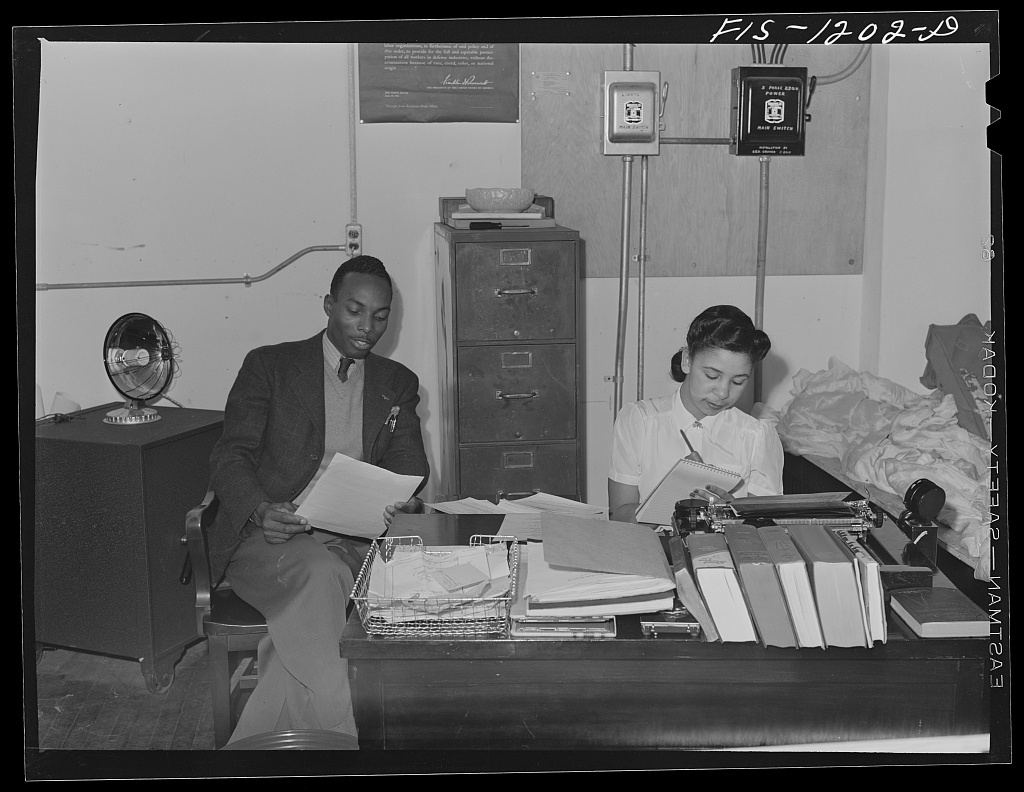
Once known for his daring midair performances, Howard “Skippy” Smith traded the skies for his own factory floor.
America has a long history of manufacturing – almost 250 years of it. We began milling cotton in Rhode Island in 1790 and continued to innovate beyond what was thought possible.
Of course, with that history came the manufacturers and inventors that worked tirelessly behind the scenes. Hundreds, maybe thousands of Americans helped create, invent or patent ideas that helped move our country forward. This new series, Unsung Heroes of American Manufacturing, seeks to highlight the more underrepresented of those individuals, telling their stories even centuries after their impact began.
You might know some of these names – for example, Alexander Hamilton is no longer an ‘unsung hero’ (thanks, Lin-Manuel Miranda). But did you know that he has been credited as the Founding Father of American Manufacturing? No? Then this series is for you.
We’ve got a hefty list of subjects to cover, and manufacturing stories from the ironing board to the Phillips-head screw. Keep an eye out for an invention that you use regularly and let us know if there’s someone you want us to highlight!
Howard “Skippy” Smith (1913 – 2003)
When the United States entered World War II, manufacturers across the country faced the challenge of producing the equipment and supplies needed to support the military. Among those answering the call was an unlikely entrepreneur: a former stunt skydiver who would go on to make history as the founder of the nation’s first Black-owned and -managed defense manufacturing plant.
Born in Birmingham, Ala. in 1913, Howard “Skippy” Smith moved to California during the Great Depression with the hope of becoming a pilot. Smith instead made a name for himself as a stunt skydiver, and by 1939, he and his partner, Mac “Skip” Gravelle, became well known around the Los Angeles area for their high-stakes aerial stunts.
However, tragedy struck when Gravelle died after borrowing a parachute that was missing its pilot chute. It never opened. Although Smith stopped performing, he never stopped flying. Instead, he turned his attention to the equipment that made those jumps possible.
In 1941, Smith began working for Standard Parachute in San Diego, Calif., where he became the company’s first African American employee. As a parachute packer and inspector, he gained firsthand experience in the manufacturing process and learned the importance of producing reliable, well-made equipment for military use.
But Smith had bigger goals and started his own company, Pacific Parachute, in 1942, with financial backing from entertainer Eddie “Rochester” Anderson, best known for his role on The Jack Benny Program. The company operated as a subcontractor for Standard Parachute, manufacturing pilot parachutes for the U.S. military. Smith also attracted support from other prominent figures in the entertainment and sports industry. He brought in boxer Joe Louis and performer Bill “Bojangles” Robinson to promote the plant.
Opening a defense manufacturing plant was an accomplishment in itself, but Smith’s business represented something even greater. At a time when African Americans faced widespread discrimination in employment, especially in the defense industry, Smith’s company challenged those barriers head-on.
The company’s opening followed President Franklin D. Roosevelt’s 1941 Executive Order 8802, which prohibited racial discrimination in government and defense employment. The order came after civil rights leader A. Philip Randolph organized a planned march on the nation’s capital, calling attention to the issue. At the San Diego facility, Smith hired an equal number of Black, Mexican and white employees, making it an example of an integrated workplace during a time of widespread segregation.
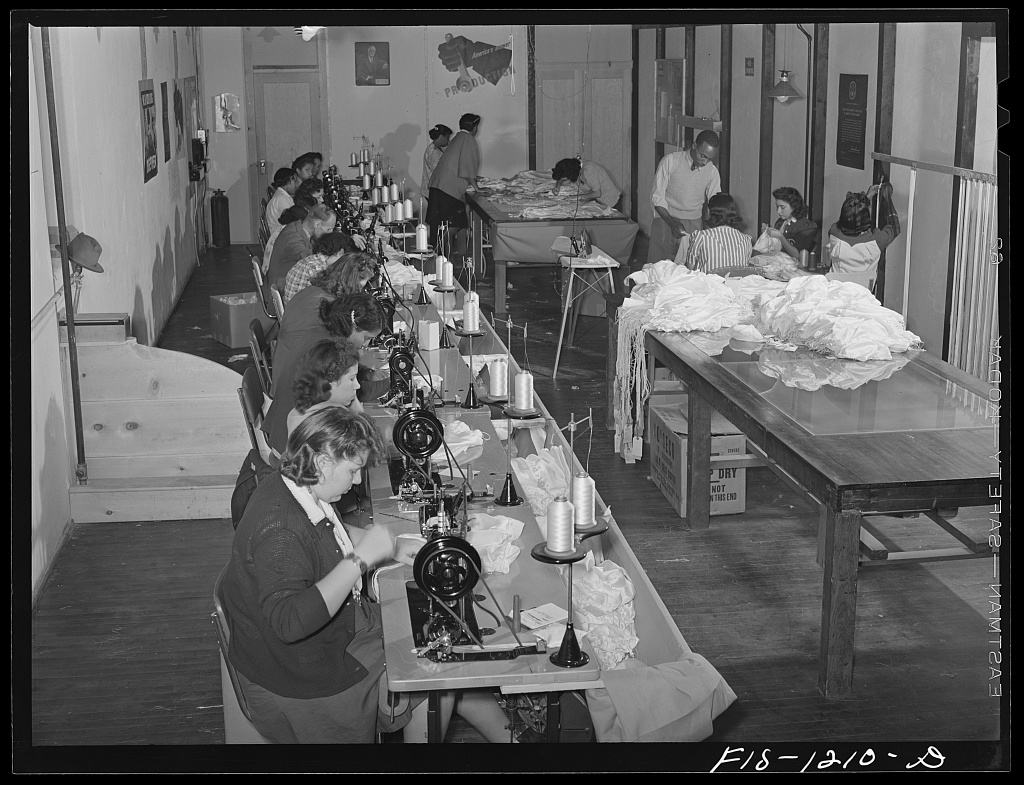
Pacific Parachute quickly established itself as a successful defense manufacturer. Under Smith’s leadership and with his half-brother Herman Warren overseeing manufacturing operations, the company produced more than 60,000 pilot parachutes for the U.S. military. In 1943, Pacific Parachute received the National Negro Business League’s award for the most outstanding Black business, recognizing its achievements as both a manufacturing operation and a Black-owned enterprise.
As military demand for parachutes began to decline, Smith secured a contract to manufacture parts for the Douglas Aircraft Company in July 1943, which enabled the company to remain in business for the duration of the war.
The company relocated from San Diego to Los Angeles in 1944. Its new Jefferson Park facility employed an entirely African American workforce, providing skilled manufacturing jobs in the surrounding community.
Although Pacific Parachute Company closed in 1946, Smith’s contributions to American manufacturing extended beyond the company’s years of operation. At a time when Black Americans were often denied opportunities in the defense industry, he built a business that not only met the nation’s wartime needs but also challenged the barriers that kept talented workers from entering manufacturing.
Smith’s story is a reminder that American manufacturing has always depended on more than machinery and production lines; it also depends on entrepreneurs willing to take risks and challenge expectations. Through Pacific Parachute Company, Smith proved that manufacturing could strengthen the nation while opening doors for those left behind.